
Animals in Society and Humane Education
Institution:
University of Agricultural Sciences and Veterinary Medicine Cluj-NapocaCountry:
RomaniaDiscipline:
Veterinary ScienceLevel:
MADuration & intensity:
semester, 7ECTSNumber of students:
15-20Societal need addressed
- Improvement of animal welfare in communities
- Raising awareness on animal rescue & animal cruelty prevention
Key competences for Democratic Culture
- Analytical & critical thinking skills
- Civic mindedness and responsibility
- Empathy
About the course
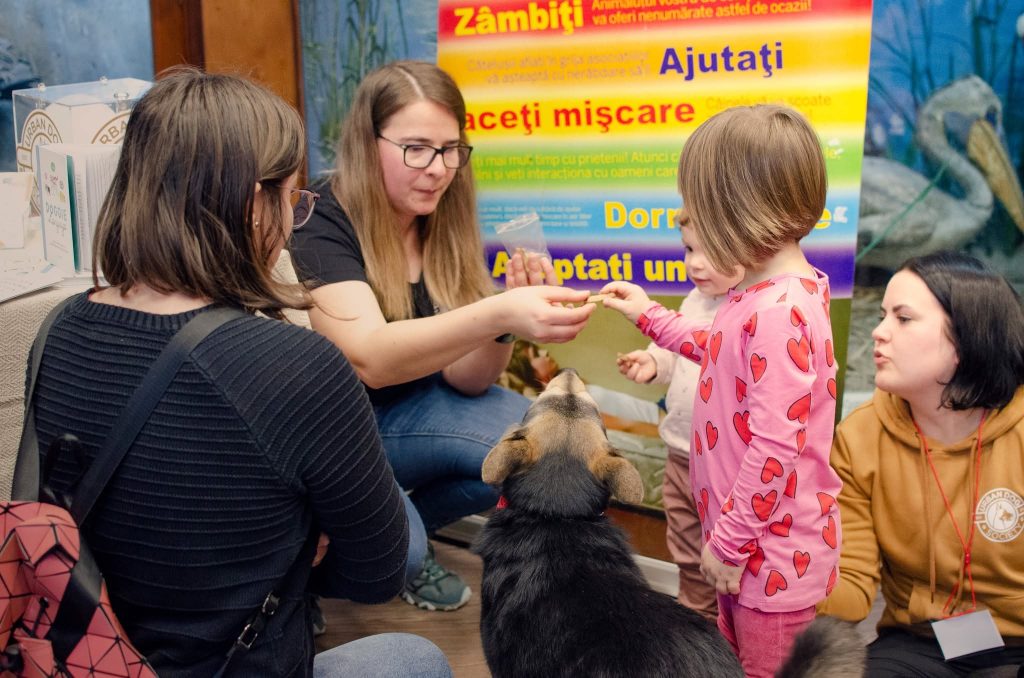
In Animals in Society & Humane Education, master’s students explore the complex relationships between humans, animals and the environment from societal, historical, and evolutionary perspectives while applying these concepts in real-world contexts linked to community needs, the Sustainable Development Goals and the One Health-One Welfare approach. While working with veterinary clinics, animal rescue organisations and conservation groups, students identify local needs, co-design projects and turn theory into action through campaigns, educational activities, adoption initiatives and community events. The course creates a rich learning environment where academic knowledge, ethical reflection and civic engagement come together in meaningful ways. The course typically culminates in a community-oriented event (e.g. Human-Animal Interaction Day), where students showcase their work and engage with stakeholdes beyond the university.
How are Competences for Democratic Culture developed?
Through service-learning activities, students develop empathy, civic-mindedness, and responsibility by engaging with community needs and exploring ethical relationships between humans, animals, and the environment. Collaborative project work with community representatives in social veterinary medicine and animal rescue strengthens cooperation, communication, and agency, while reflection and case-study analysis encourage critical thinking, self-awareness, and openness to diverse perspectives.
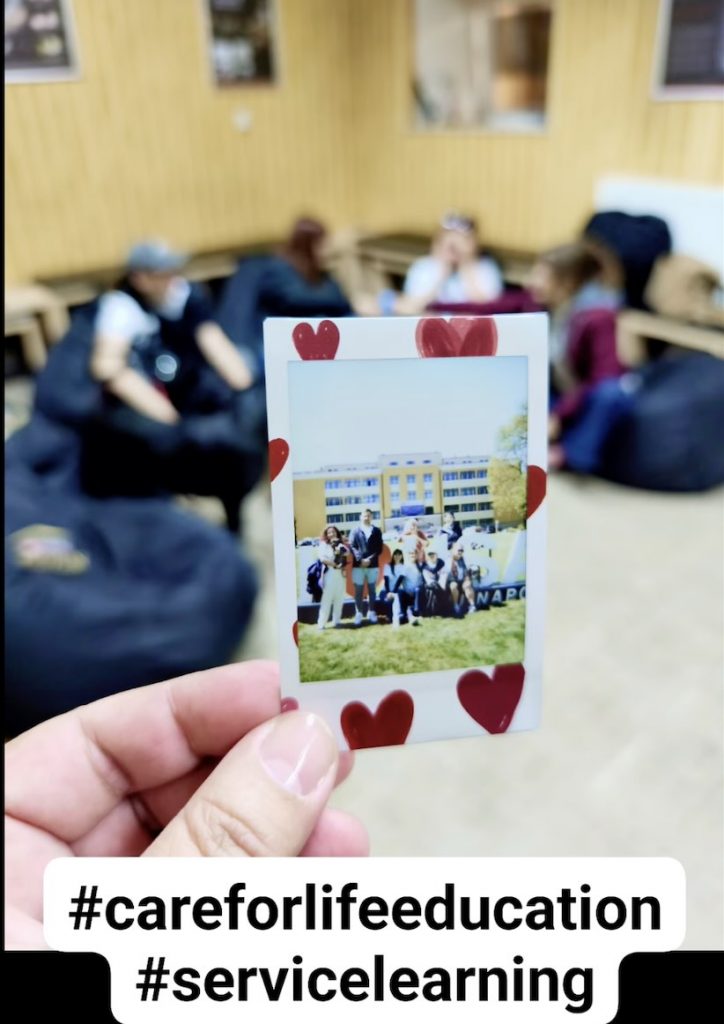
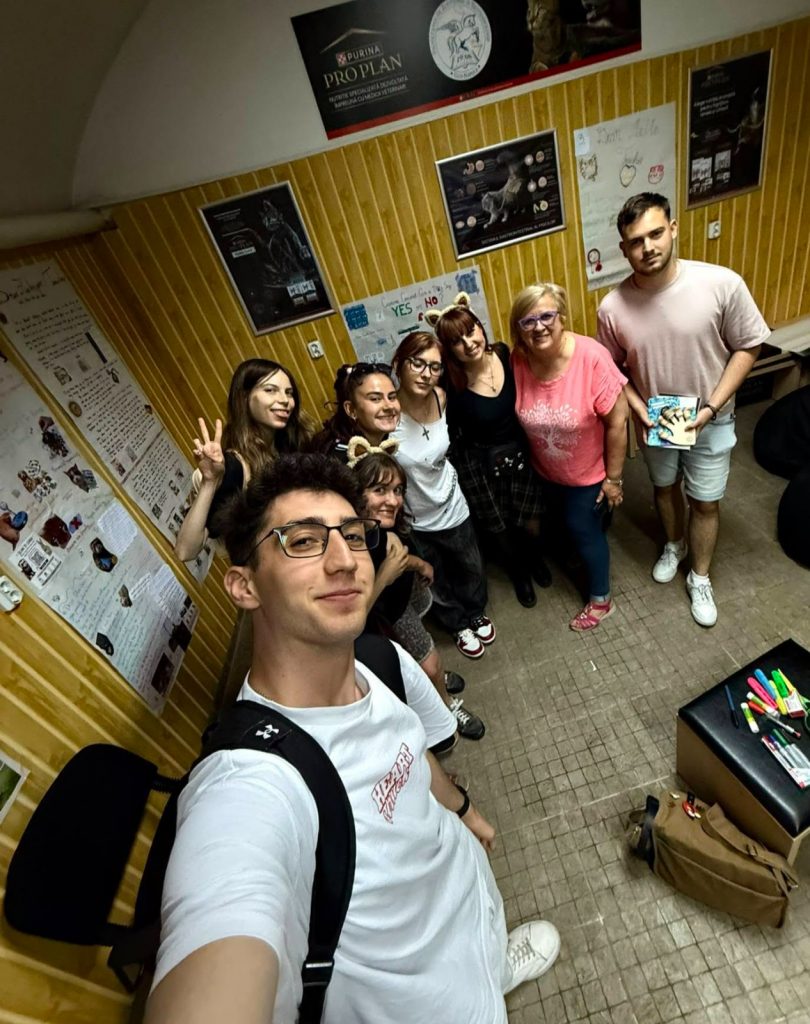
Since participating in the activities with rescued animals, I have observed that students are more responsible, more eager to get involved in volunteering and charitable activities, and much more empathic towards the suffering of those around them.
Senior animals can offer companionship, emoitional support and a strong bond with their adopters, yet these qualities are often overshadowed by commom misconceptions about ageing animals. This service-learning project helped me to deeper understand that no one should be left behind in the course of life.

University-Community Partnership
Community partners involved
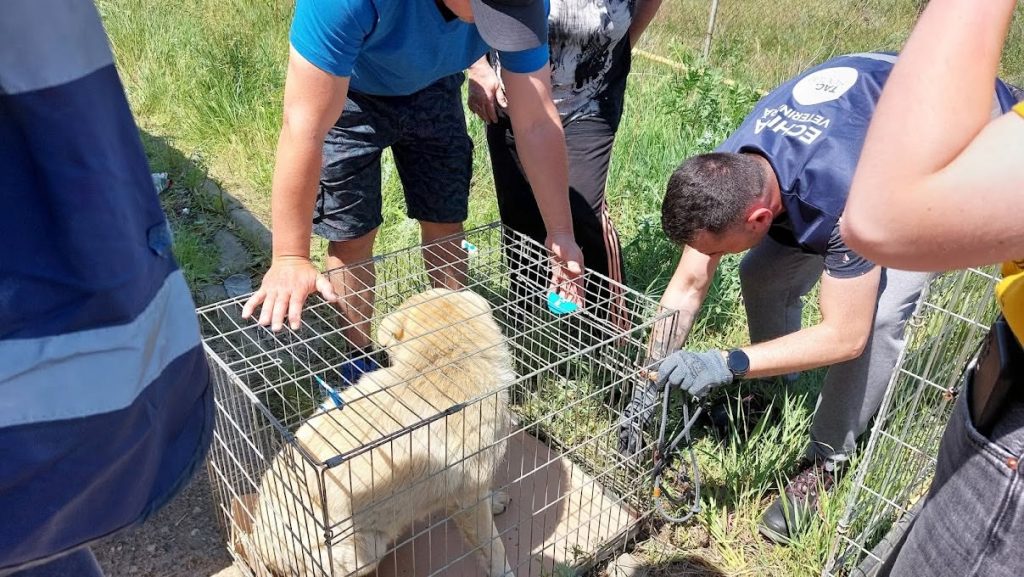
- Veterinary clinics (including social veterinary initiatives)
- NGOs working in animal rescue, animal protection, and biodiversity conservation
Co-definition of the social need
Needs are identified collaboratively through a One Health – One Welfare perspective, recognizing the interdependence between human wellbeing, animal welfare and environmental sustainability.
Reciprocity & partner role
Knowledge exchange is bidirectional, with partners actively shaping student projects and learning outcomes.
Community partners act as beneficiaries, co-educators and co-designers of the service-learning experience. Partnership is based on mutual benefit: students contribute time, knowledge, and outreach activities, while community partners provide real-world learning environments, mentorship and feedback.
Pedagogical design
Curriculum integration
The course “Animals in Society and Humane Education” is integrated in the Master’s program “Ethology and Human-Animal Interaction“ as part of the elective interdisciplinary curricular offering of the master’s degree program.
Learning objectives
- Students learn key concepts in humane education (history of animal cruelty prevention movements, Bloom taxonomy for designing humane education lessons, etc.), ethics, and civic engagement in relation to human-animal interactions;
- Students directly apply them by developing their own service-learning project addressing the human-animal-environment relationship;
- Students are able to identify the needs of the animals and people in their community and plan their service-learning activities accordingly;
- Students learn analyse existing service-learning programs at national and international levels through the lenses humane education.
Service & learning activities
Service activities
- Designing and implementing animal cruelty prevention campaigns
- Organising adoption and awareness events in collaboration with NGOs
- Supporting animal adoption initiatives
- Coordinating outreach events (e.g. Human–Animal Interaction Day, World Animal Day)
- Participating in Trap–Neuter–Return (TNR) programme
- Delivering educational sessions in schools for children and teachers.
Learning activities
- Lectures and seminars on humane education, ethics, and human-animal studies
- Case study analysis and programme evaluation
- Community needs assessment and project planning
- Reflective exercises and peer discussions
- Field-based engagement with partners
Active role of the student
The course promotes student voice and agency by allowing each student to identify relevant issues in their own community and independently plan, implement, and evaluate a service-learning activity. This learner-driven approach encourages ownership, creativity, and civic responsibility.
Reflection
Reflection is structured through guided journals, group debriefings, and online submissions, often using the DEAL framework. It takes place before, during and after the service activity.
Reflection is central to connecting experience with theory. It enables students to critically assess their assumptions, evaluate the impact of their actions, and articulate personal and professional learning outcomes.
Assessment
Assessment is based on both analytical and applied components, including the evaluation of existing programmes, participation in reflective exercises (DEAL model), and the design and presentation of a service-learning project. Teachers, students and community partners are engaged in the course assessment.
Competences for democratic culture
Competences for democratic culture
Values
- Valuing human dignity & human rights
- Valuing cultural diversity
Attitudes
- Civic mindedness
- Openness to cultural otherness and to other beliefs, world views and practices
- Respect
- Responsibility
- Tolerance of ambiguity
Skills
- Analytical & critical thinking skills
- Autonomous learning skills
- Co-operation skills
- Empathy
- Flexibility & adaptability
- Linguistic, communicative and plurilingual skills
Knowledge and critical understanding
- Knowledge and critical understanding of the self
How are competences for democratic culture developed?
The course directly fosters values respect for human dignity, cultural diversity, and responsibility through its focus on compassion-based education and ethical human-animal-environment relationships (One Health – One Welfare, SDGs, multispecies relational approaches). Through activies such as programme evaluation, community needs mapping, and reflective analysis of media and case studies students develop key skills for critical and analytical thinking, cooperation, and autonomous learning.
Students actively engage with their communities by designing and implementing,service-learning activities, which strengthens civic-mindedness, empathy, and a sense of agency. Reflection is central to the learning process, supporting students in developing self-awareness and openness to different perspectives.
Indirectly, the course also enhances competences such as tolerance of ambiguity, adaptability, and communication skills, as students navigate complex ethical issues and real-world contexts.
Outcomes & impact
Learning outcomes for students
- Ability to design and implement humane education interventions
- Improved understanding of human-animal-environment connections
- Enhanced civic engagement and professional skills (communication, teamwork, project management)
Community impact
- Increased awareness of animal welfare and responsible behaviour
- Support for local animal protection initiatives
- Strengthened collaboration between university and community stakeholders
Challenges & conditions for success
Challenges
- Variability in partner capacity and resources
- Time constraints within a single semester
- Balancing academic workload with community engagement
- Ensuring continuity of projects beyond course duration
Conditions for success
- Availability of committed community partners
- Institutional support for service-learning as innovative pedagogy
- Flexible curriculum design allowing applied components
- Training for instructors in service-learning methodologies