
Communities of Memory
Institution:
Ukrainian Catholic UniversityDiscipline:
Cultural Studies, Liberal ArtsLevel:
BADuration & intensity:
Semester course, 3 ECTSNumber of students:
11Societal need addressed
- Preserving local memory
- Identifying and ethically representing marginalised or silenced narratives
- Developing meaningful public cultural spaces to strengthen local identity and intergenerational dialogue
Key competences for Democratic Culture
- Valuing human dignity and human rights
- Openness to cultural otherness and to other beliefs, world views and practices
- Knowledge and critical understanding of the self and the world
About the course
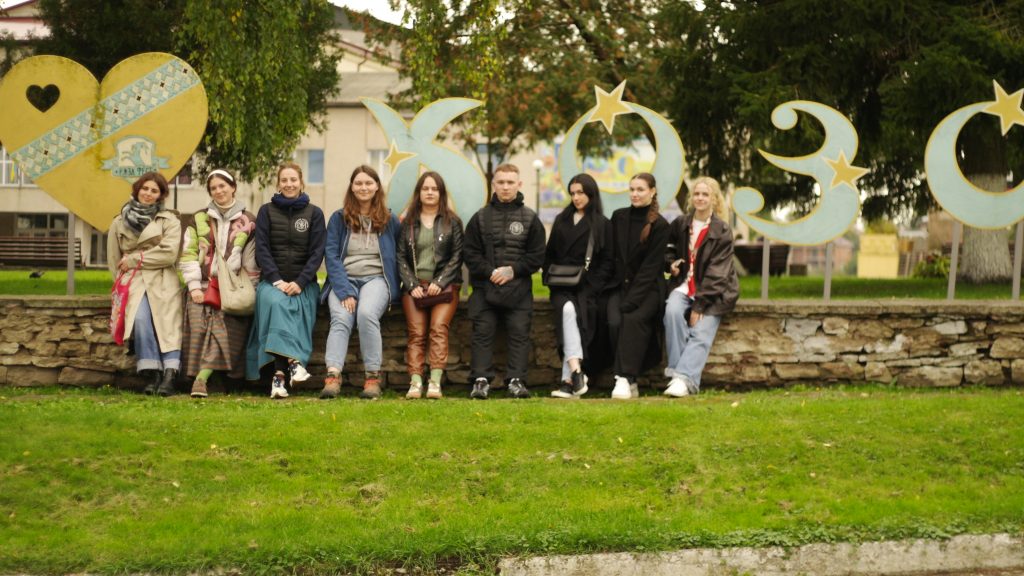
In Communities of Memory, university students of Cultural Studies explore how collective memory, postmemory, and memory ethics function in times of war and profound crisis. Developed at the Ukrainian Catholic University within the Erasmus+ ServU project, the course connects theoretical anchors with field-based participatory research in the Kozova Territorial Community (Ternopil Oblast), which hosts over 1,300 internally displaced persons.
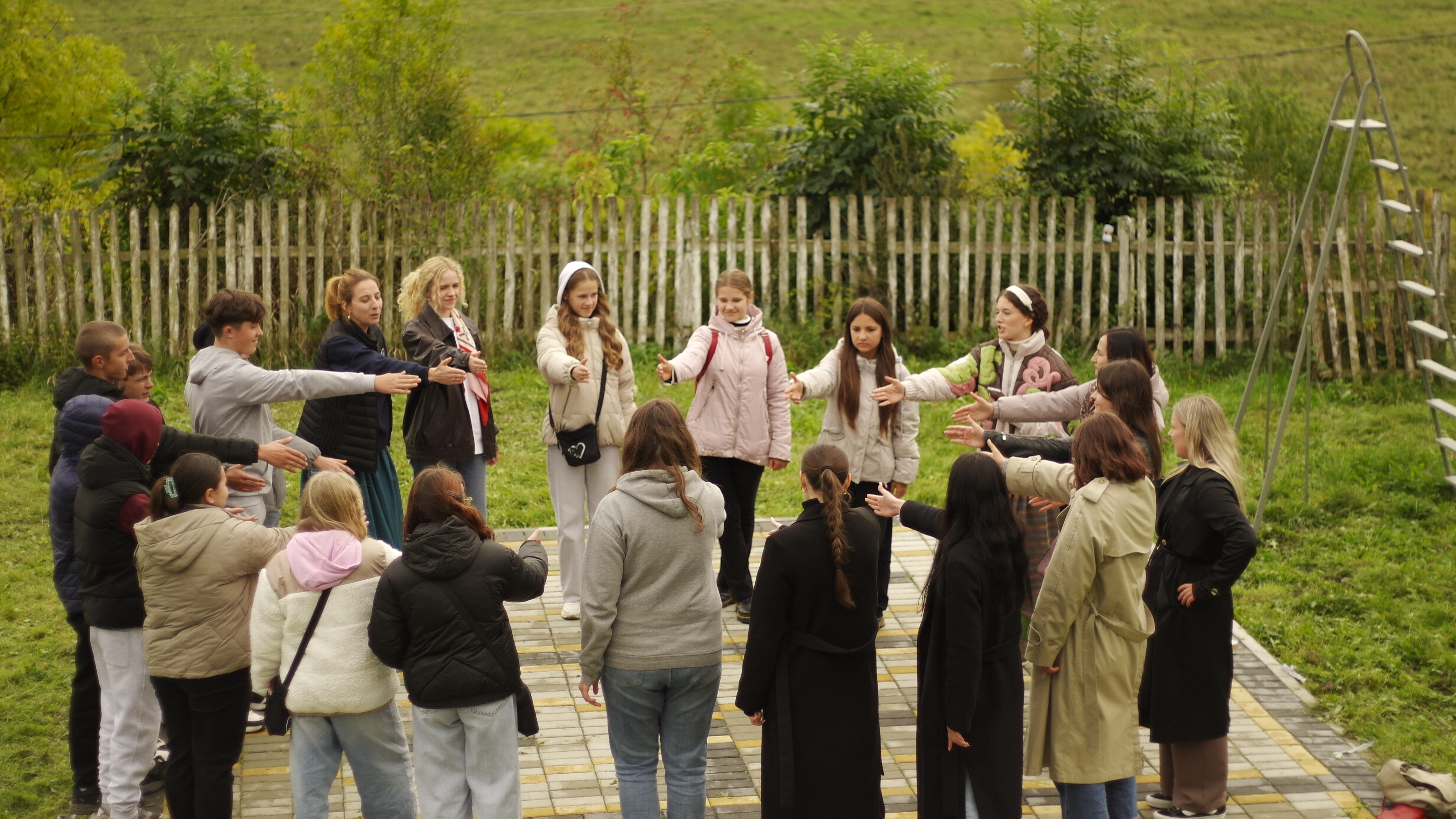
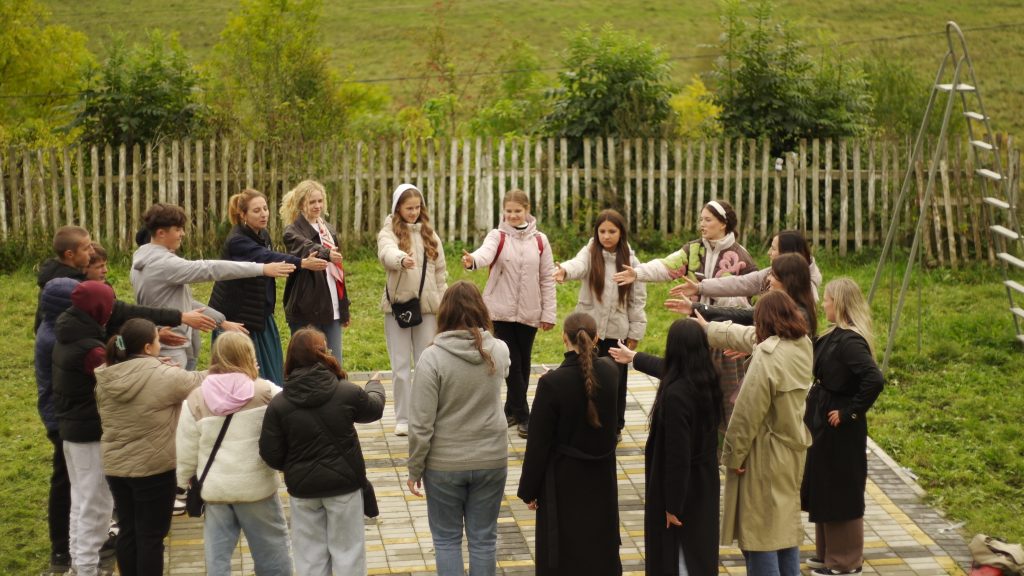
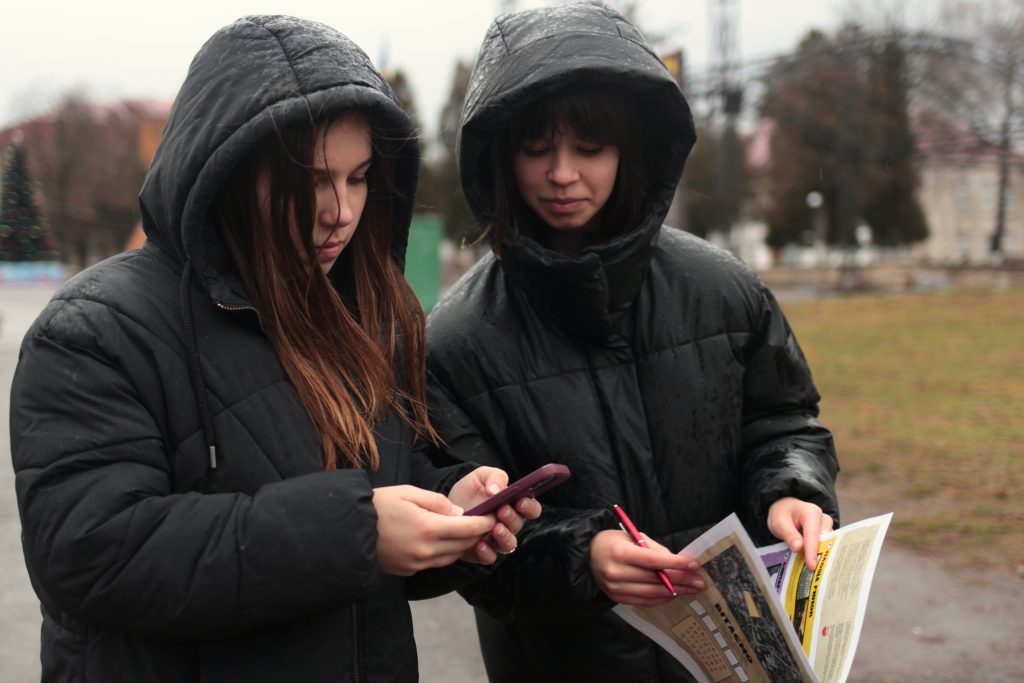
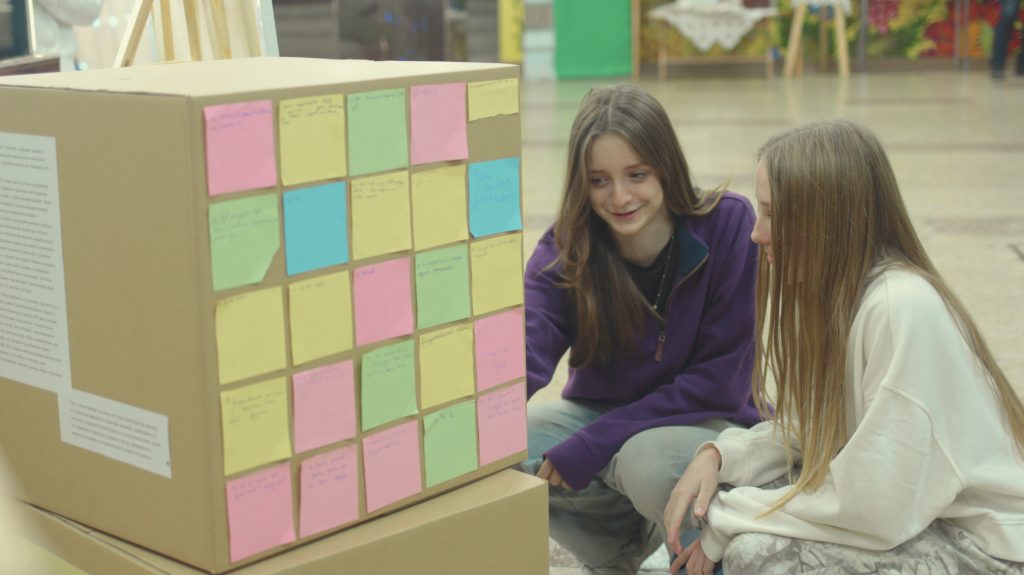
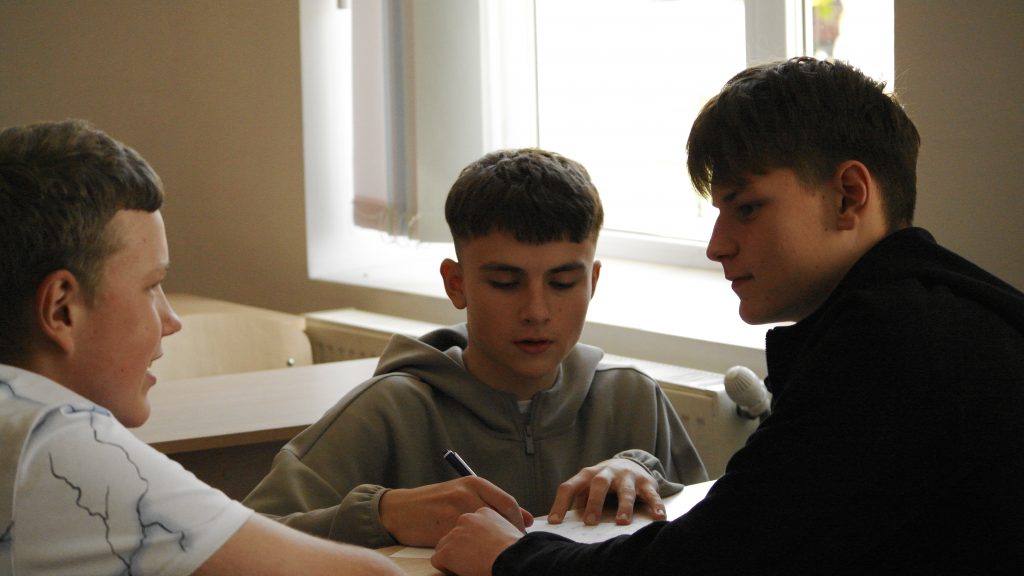
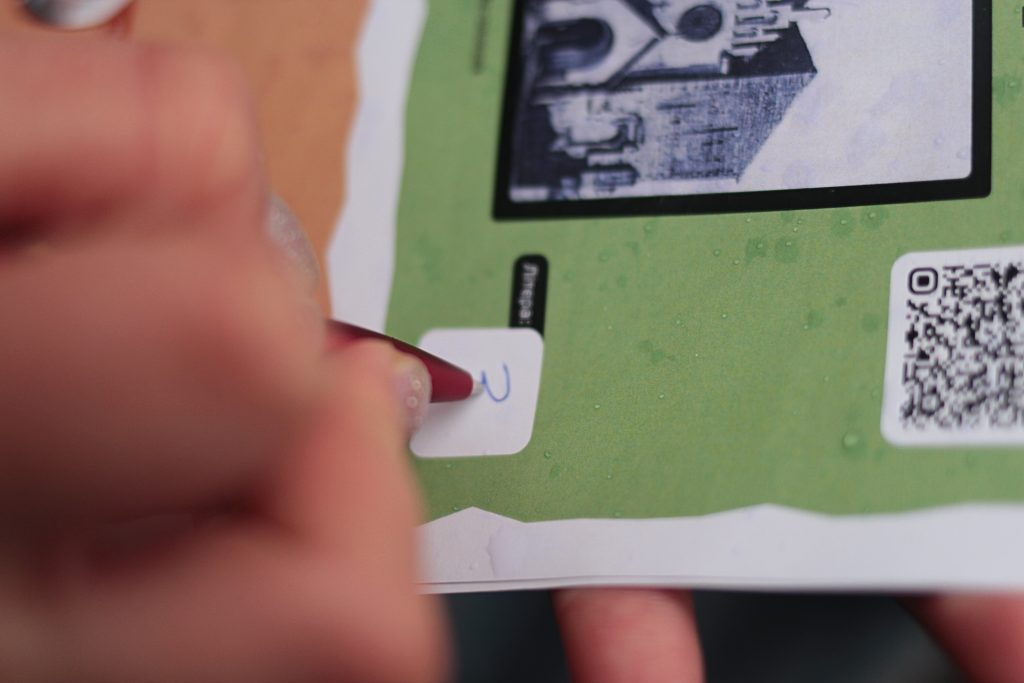
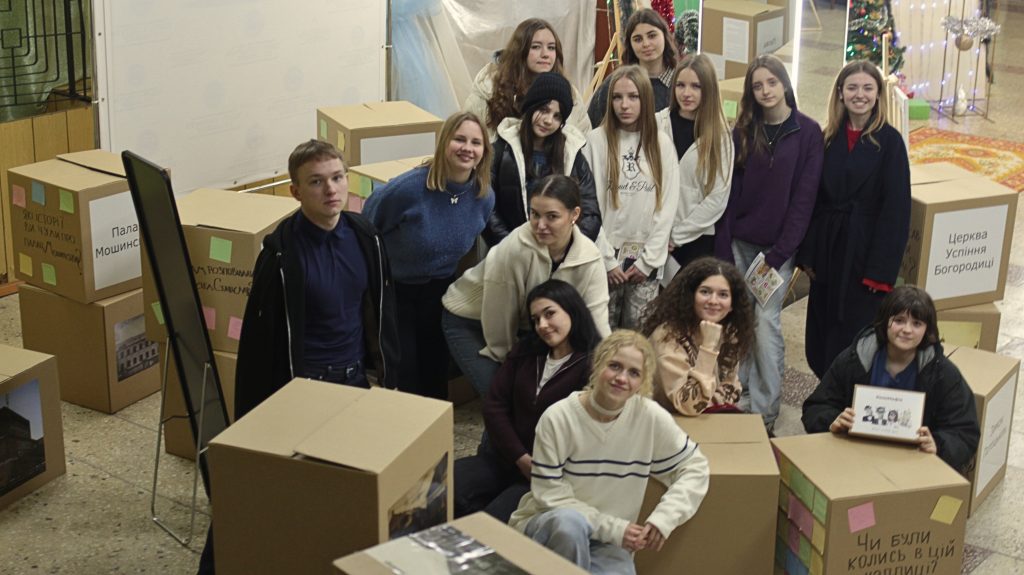
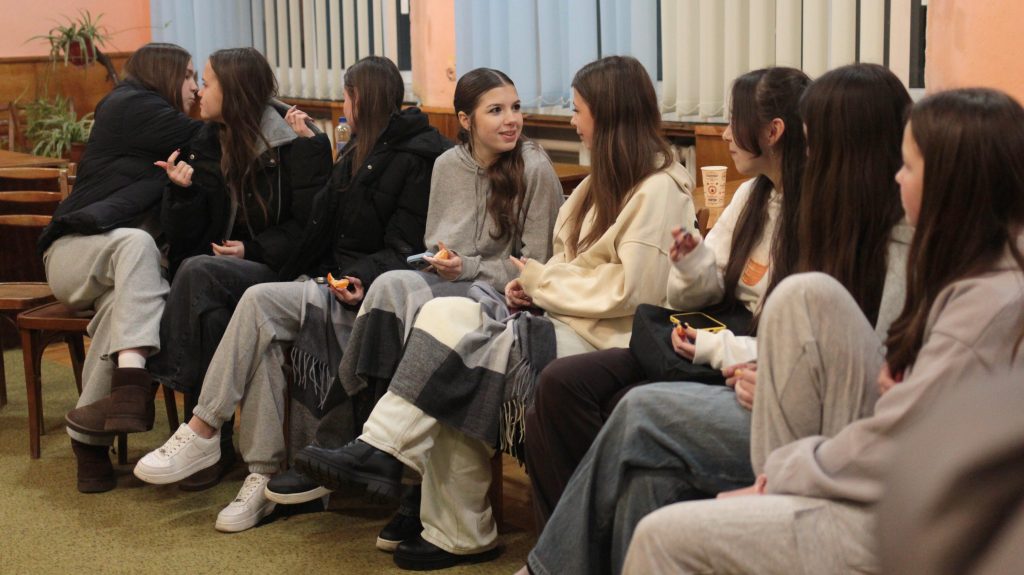
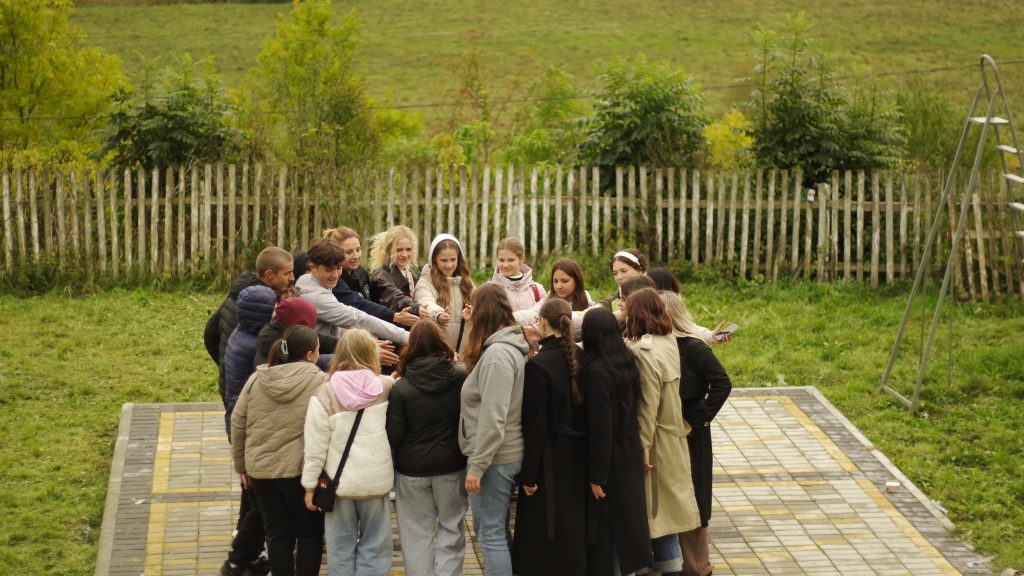
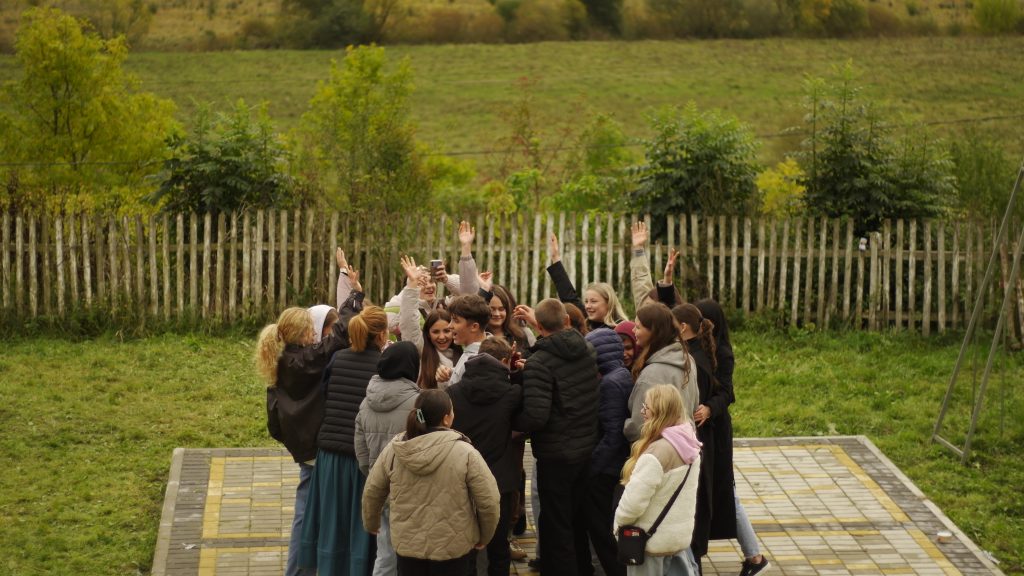
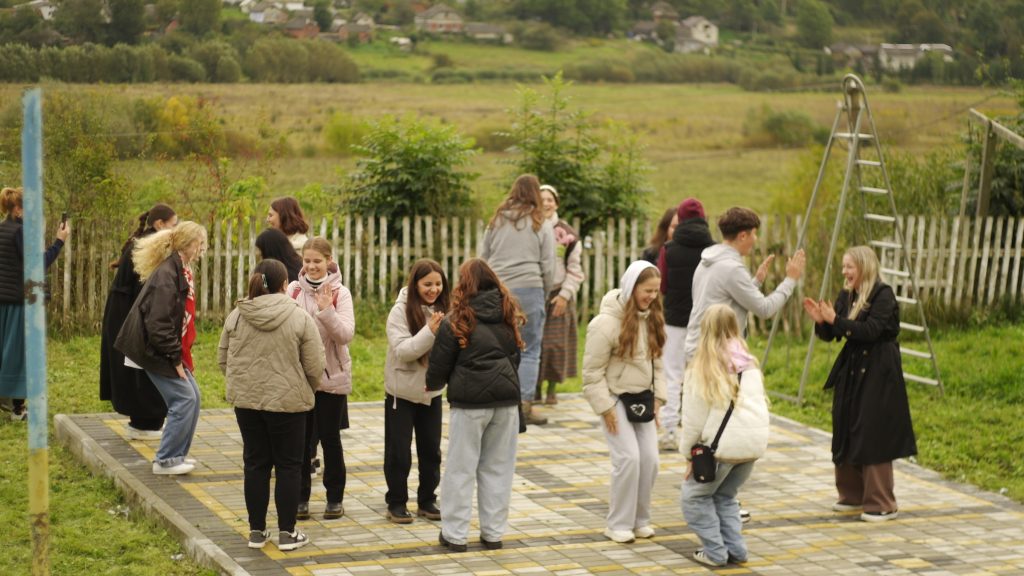
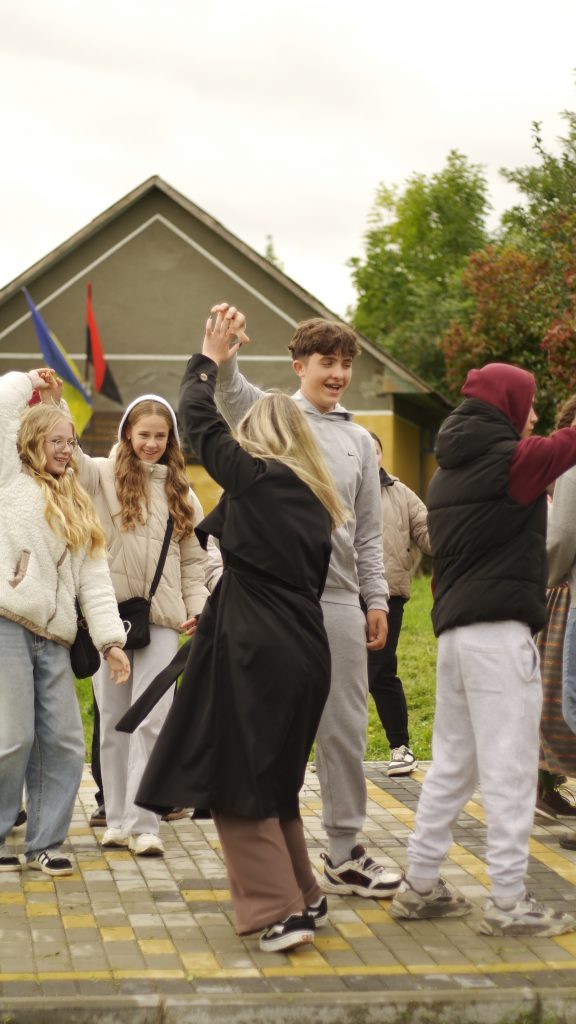
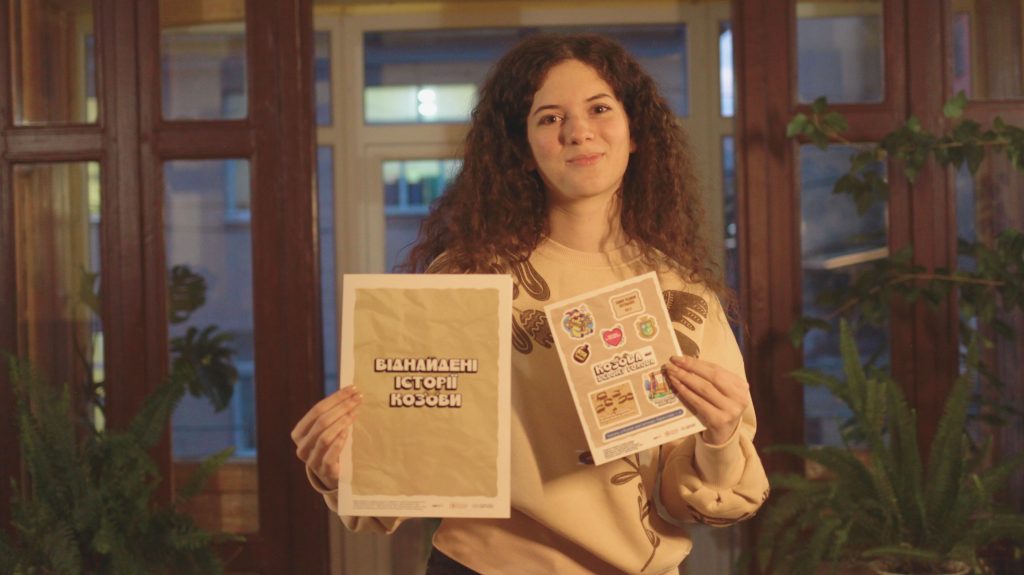
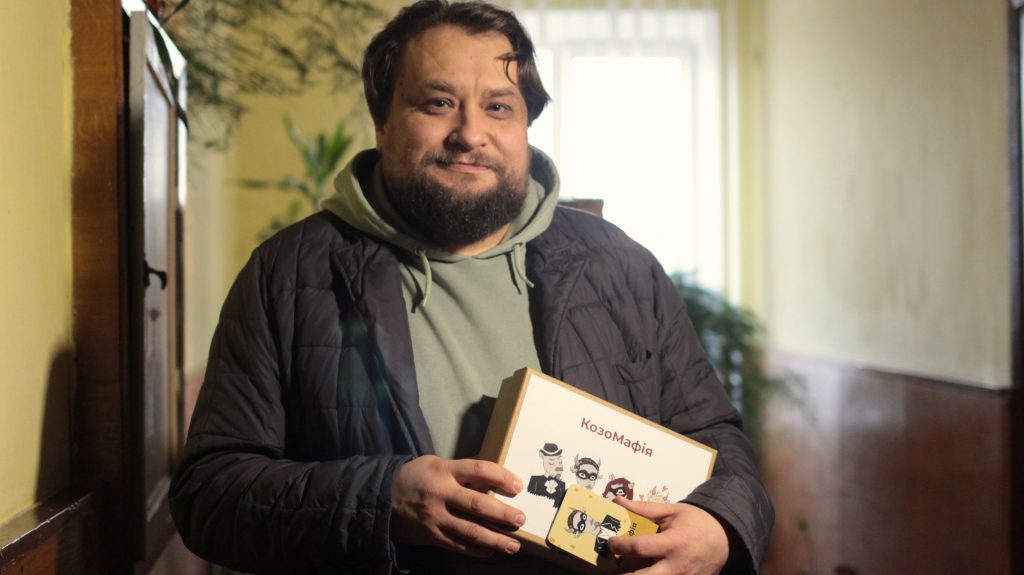
In close partnership with local cultural stakeholders—specifically the NGO “Kozova.zamok” and the local Centre for Culture and Leisure—students collaborated with local high school students. To address sensitive local dynamics, students co-designed innovative public history and gamified dialogue tools, including an interactive historical quest, pop-up memory exhibitions, and “Historical Mafia: Kozova”—a customized role-playing board game based on real 20th-century local history. The course creates an ethically grounded learning space where academic humanistic research, non-invasive gamified methodologies, and civic engagement unite to foster community resilience and youth empowerment.
How are Competences for Democratic Culture developed?
Through solidarity service-learning activities, students build civic-mindedness, empathy, and responsibility by engaging directly with community needs and addressing sensitive topics of war, loss, and displacement with local and IDP youth. Collaborative project work with local NGOs and youth representatives strengthens cooperation, communication, and agency, while field-based reflection, oral history gathering, and critical analysis of complex historical narratives encourage self-awareness, openness, and intercultural dialogue across regional and social backgrounds.

University-Community Partnership
Community partners involved
Members of the Kozova community in the Ternopil region, including local institutions (among them municipal representatives), healthcare actors, merchants, activists, schools, religious representatives, librarians, museum staff, cultural workers more broadly, as well as local heritage organisations.
Co-definition of the social need
Through a preliminary diagnostic phase based on collective reflection, analysis of community reports and exploratory online meetings with Kozova stakeholders, the project identified key local priorities related to memory preservation, youth participation, community interaction and the need for participatory cultural spaces. Continuous dialogue with community members allowed the Service-Learning methodology to be adapted to the local context and informed decisions regarding appropriate formats and activities, particularly in relation to exhibition planning and public engagement. The co-definition process was further strengthened through iterative feedback mechanisms, ongoing collaboration with local actors throughout the project, and the joint development, refinement and validation of the final products.
Reciprocity & partner role
The community contributes with input, commentary, validation, feedback, co-working, and acts as co-author and audience in the final public presentation. Community partners also facilitated access to local memory resources, supported the organisation of activities and contributed to shaping formats and practices that were meaningful within the local cultural context. Ultimately, the community partners are co-designers and co-educators, as well as beneficiaries.
Students contribute to a real community memory initiative, learning through fieldwork, reflection and co-creation, whilst the community benefits from increased visibility, memory products, public dialogue and the sharing of stories. The collaboration also fostered new connections among local stakeholders, strengthening community dialogue and participation through shared cultural and educational activities.
Pedagogical design
Curriculum integration
This programme was offered as an elective module within a BA in Cultural Studies (Artes Liberales), strengthening the focus on cultural memory, critical heritage and citizenship. The course enriches the curriculum through an interdisciplinary and Service-Learning-oriented approach, combining theory, field research and civic engagement and developing analytical, ethical and project-based skills that are central to contemporary humanities education.
Learning objectives
Knowledge:
- Understand key concepts such as cultural memory, lieux de mémoire, postmemory, oral history and community, together with familiarity with memory studies and with both global and local memory practices.
- Critical understanding of memory as a performative, relational and socially mediated process, especially within contexts marked by war, displacement, trauma and contested identities,
- Reflect on how memories are constructed, negotiated and publicly represented within communities
Skills / Competences:
- Development of field research competences through interviewing, documentation, memory mapping and ethnographic observation activities;
- Teamwork and facilitation skills;
- Critical interpretation of memory practices;
- Co-creation of public cultural products in collaboration with the community;
- Strengthening leadership, empathy and collaborative decision-making abilities
- Fostering students’ capacity to facilitate intergenerational dialogue, manage conflicts and adapt to uncertain and emotionally demanding contexts shaped by war and social change
Attitudes and Values:
- Active listening
- Ethical engagement with communities and memory
- Respect for local experience as a resource for dialogue
- Civic responsibility
- Ethical sensitivity in working with personal and collective memories, particularly within fragile social contexts shaped by war, displacement and social vulnerability
Service & learning activities
Service activities:
- Community needs assessment/diagnosis;
- Field research expedition – collection of oral histories, ethnographic observations, community memory walks, participatory photography, and preliminary memory mapping;
- Interviews and ethnographic observation;
- Co-design of a cultural product – map, exhibition, installation; Public presentation in the community;
- Community feedback collection and post-course support.
Learning activities:
- Active participation in seminars,
- Facilitation sessions and project planning
- Preliminary memory map development
- Fieldwork participation
- Co-creation of the final memory product
- Public presentation
- Individual reflection (written or audio)
- Peer review and group-based evaluation.
Active role of the student
Students take part in collaborative decision-making, brainstorming, co-design, negotiation, facilitation, task allocation, mapping and the development of the project strategy alongside their peers and local partners. Students were also actively involved in shaping the format and direction of the final outputs through small-group autonomous work and continuous dialogue with community actors and young participants.
Reflection
Reflection takes place before, during and after the service activity. It promotes self-awareness, ethical awareness, an appreciation of silences and community relationships, civic engagement, and the integration of learning into a renewed understanding of memory, community and personal autonomy. Reflection also contributes to the creation of trust within the student group, supports intercultural understanding and helps students critically process experiences related to war, uncertainty, responsibility and community participation. Structured reflection after field activities enables students to connect emotional experience, ethical judgement and democratic engagement within real social contexts.
Reflection methods:
- Written: Reflective assignments and reflective journal
- Group discussion: circle reflections, peer dialogue, collective reflection sessions and oral conversations represented a central component of the course. In particular, collective reflections conducted after field visits and during discussions of personal and community memories fostered dialogue on identity, war experiences, displacement and ethical community engagement, encouraging mutual listening and shared critical reflection among participants.
- Art-based: memory maps, group diagrams and visual or curatorial reflection formats were employed to encourage creative and critical engagement with memory and community experiences. In particular, the memory-map activity supported students in connecting autobiographical experiences, displacement and cultural identity with broader democratic, social and cultural questions.
Assessment
Evaluation combined teacher- and student-based assessment practices with reflective and participatory approaches, including collective reflection sessions, audio reflections, supervision meetings with project partners and anonymous student feedback focused on competences, teamwork, values and learning processes. Specifically, community partner involvement in the evaluation process emerged through ongoing feedback, participation in public and community events, and the shared discussion and validation of the project outcomes, even if not formalised through structured grading procedures.
Competences for democratic culture
Competences for democratic culture
Values
- Valuing human dignity and human rights
- Valuing cultural diversity
Attitudes
- Civic mindedness
- Openness to cultural otherness and to other beliefs, world views and practices
- Respect
- Responsibility
Skills
- Co-operation skills
- Empathy
Knowledge and critical understanding
- Knowledge and critical understanding of the self
- Knowledge and critical understanding of the world
How are competences for democratic culture developed?
Comptences for Democratic Culture were developed through ethical fieldwork, collaborative decision-making, joint planning with community partners, public dialogue, reflection on silences and marginalised narratives, as well as civic participation in cultural activities related to remembrance. The course also explicitly links the course to competences such as openness to diversity, responsibility, cooperation and reflective thinking. Competences for democratic culture are further developed through autobiographical and collective reflection practices, such as memory mapping and shared discussion of personal experiences connected to war, displacement and identity, which foster trust, intercultural understanding and awareness of multiple perspectives. The situated and community-based nature of the activities also supports students’ capacity to negotiate uncertainty, exercise ethical judgement and assume responsibility in fragile social contexts.
Outcomes & impact
Learning outcomes for students
The course comprehensively fostered civic agency, collaboration, intergenerational cooperation and the use of democratic and inclusive methodologies. Reflections shared by both students and professors highlighted the strengthening of civic responsibility, adaptability and the capacity to work collaboratively in uncertain and emotionally demanding contexts shaped by war and social fragility. The experience encouraged students to connect academic knowledge with concrete social action, promoting active citizenship, participatory leadership and deeper self-awareness through autobiographical reflection and engagement with memories related to displacement, identity and conflict.
Community impact
The project strengthened the community identity and cultural visibility and contributed to the preservation and public articulation of local memory, return of stories to the community, the creation of maps/exhibitions/archives and the opening of intergenerational and intercultural dialogue.
The project also contributed to strengthening connections among local actors who had previously interacted only marginally, encouraging dialogue among institutions, cultural organisations, schools and community members. Particular impact emerged in the engagement of young people, who actively participated in activities, collective discussions and creative initiatives, demonstrating strong interest in memory-related and community-building practices. Several outputs produced during the course, including games, exhibitions and participatory activities, continued to be used within the community after the end of the project.
Challenges & conditions for success
Challenges
There were several challenges related to ethical representation, engagement with silenced or marginalised narratives, coordination with community stakeholders, fieldwork logistics and the management of reciprocal collaboration within a fragile context marked by war and social rupture. Further emphasis is placed on the emotional and organisational complexity of conducting Service-Learning activities in wartime conditions, including security risks, air-raid alerts, emotionally sensitive memories, and the unpredictability of community circumstances and participation.
Additional challenges emerged in balancing the different rhythms, expectations and operational constraints of academic and community contexts, particularly when collaborating with local institutions operating under intense daily pressures. Particular attention was also required in relation to language, public communication and culturally sensitive forms of representation, making continuous dialogue, negotiation and ethical reflection essential throughout the project. At the same time, both the professor and student described these challenges as important opportunities for learning, adaptability, shared responsibility and democratic engagement.
Conditions for success
- presence of a committed community partner and a clearly identifiable social or cultural issue around which collaborative work can be developed through trust-based relationships and ongoing dialogue
- sufficient time for diagnostic fieldwork, co-design and reflection
- logistical and financial support for community visits, public presentations and the production of participatory cultural outputs
- availability of digital tools capable of sustaining communication, documentation and collaborative interaction throughout the project
- institutional and pedagogical flexibility, particularly in contexts characterised by uncertainty, emotional sensitivity or rapidly changing community conditions