
Transdisciplinary Maker Theory
Institution:
KU LeuvenCountry:
BelgiumDiscipline:
Architecture, Design Studies, Education, InterdisciplinaryLevel:
MADuration & intensity:
Year course, 6 ECTSNumber of students:
15Societal need addressed
- Need to increase the diversity of audiences at museums
- Need to rethink the societal role of museums and cultural institutions as spaces to foster democratic engagement, dialogue and participation
Key competences for Democratic Culture
- Valuing democracy, justice, equality and the rule of law
- Responsibility
- Analytical and critical thinking skills
About the course
The course ‘Transdisciplinary Maker Theory’ is an elective course in the Educational Master of Design Sciences. The course is also open to students in the Master (Interior) Architecture.
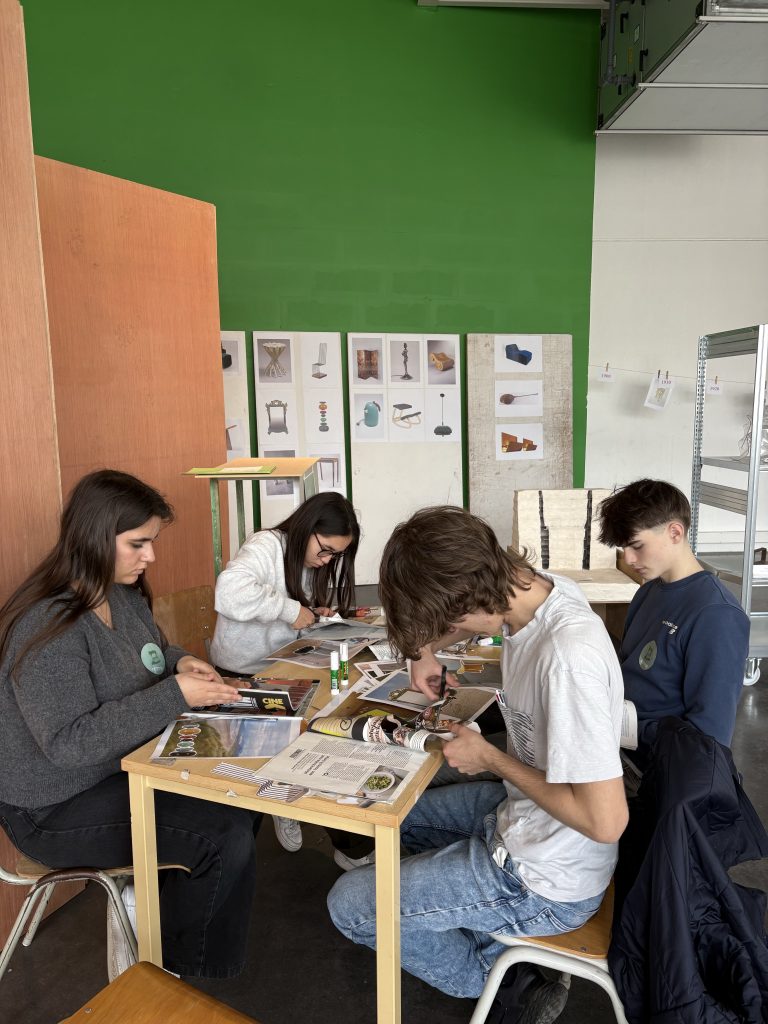
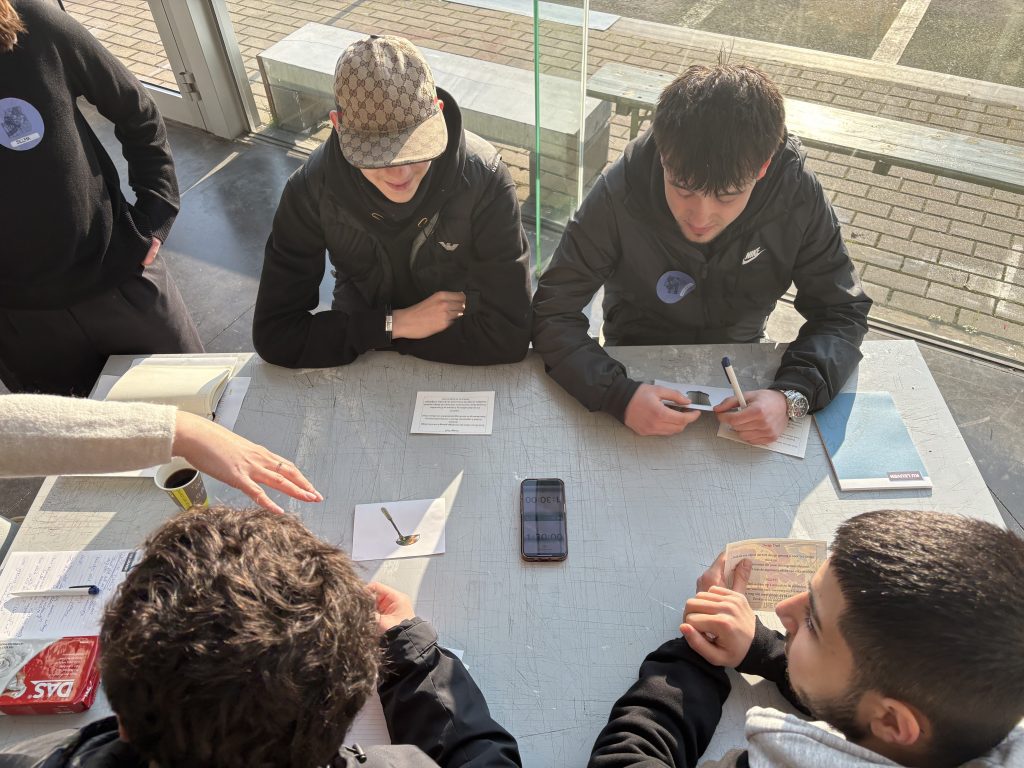
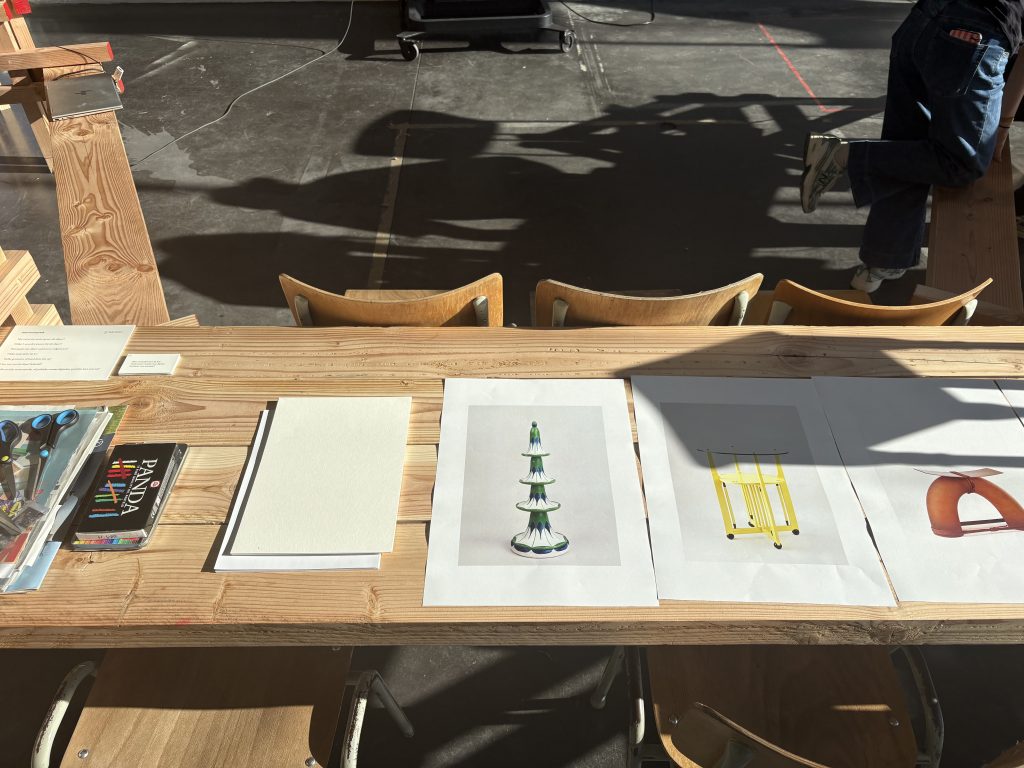
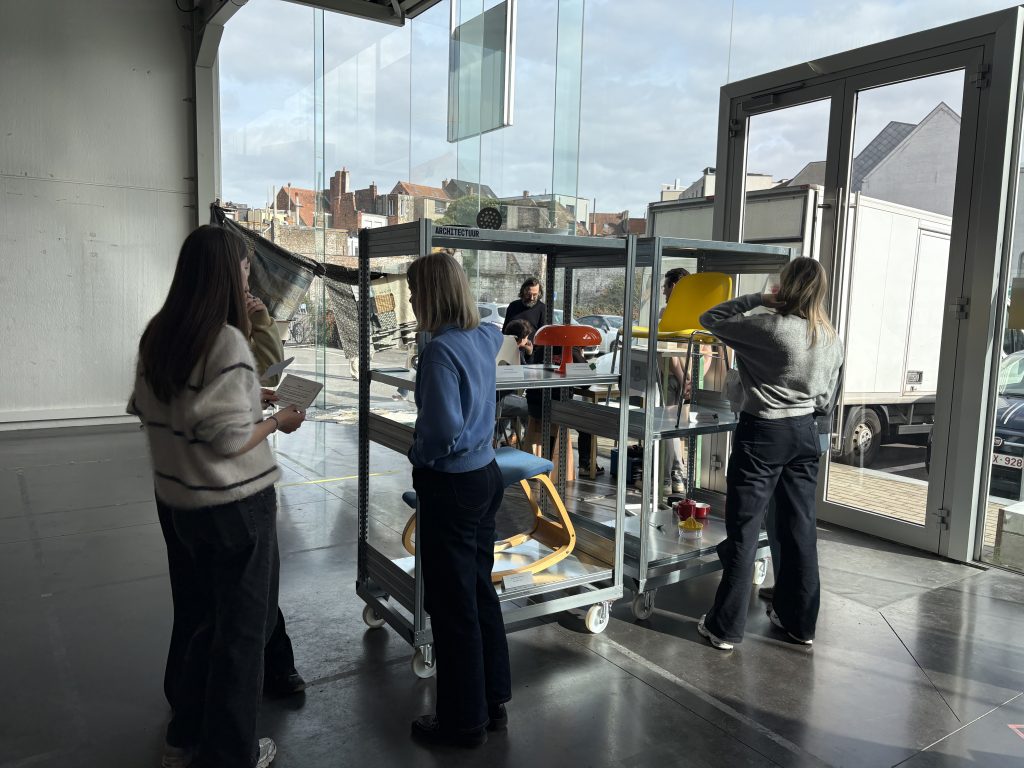
University-Community Partnership
Community partners involved
- Design Museum Ghent
- Secondary schools
Co-definition of the social need
The initial design question was brought up by the Design Museum Ghent. The question how young museum visitors could experience the museum collection more actively, is situated in the broader aspiration, the search for ways in how a museum can take up its role to facilitate democracy through culture and design (cfr. New roles of musea in ‘bridging’). Through conversation and negotiation with the course teacher, the focus of the project was developed.
Reciprocity & partner role
This service-learning project in this course takes the shape of a co-creative experimental partnership based on interaction between all actors (or stakeholders), providing a context to experience and research how transdisciplinary learning environments and real-life design-based learning in teacher education could operate as democratic playgrounds.
The museum is co-designer and active participant in the participatory process, as they provide the actual design challenge, provide the context, the wicked problem and a starting point for the design process of the students. In the process, they support the student teams by providing feedback on the design and development of the products.
The project provides an experience were future identities for designers could be explored as students are challenged to design for an educational experience, which is uncommon ground for them. The experience also shows the complementarity of ‘school-learning’ and ‘museum-learning’.
Pedagogical design
Curriculum integration
‘Transdisciplinary Maker Theory’ is an elective course in the Educational Master of Design Sciences. The course is also open to students in the Master (Interior) Architecture.
Learning objectives
- stimulate constructive dialogue between actors (disciplines, raw materials, tools, makers, available space and time) in the making and design process;
- develop a transdisciplinary theory of making by reflecting on active participation in design and/or making processes;
- meeting needs or opportunities arising from the diversity of makers or audiences;
- facilitating collaborative making and learning experiences, partly by looking for connections between makers;
- develop self-steering capacity;
Service & learning activities
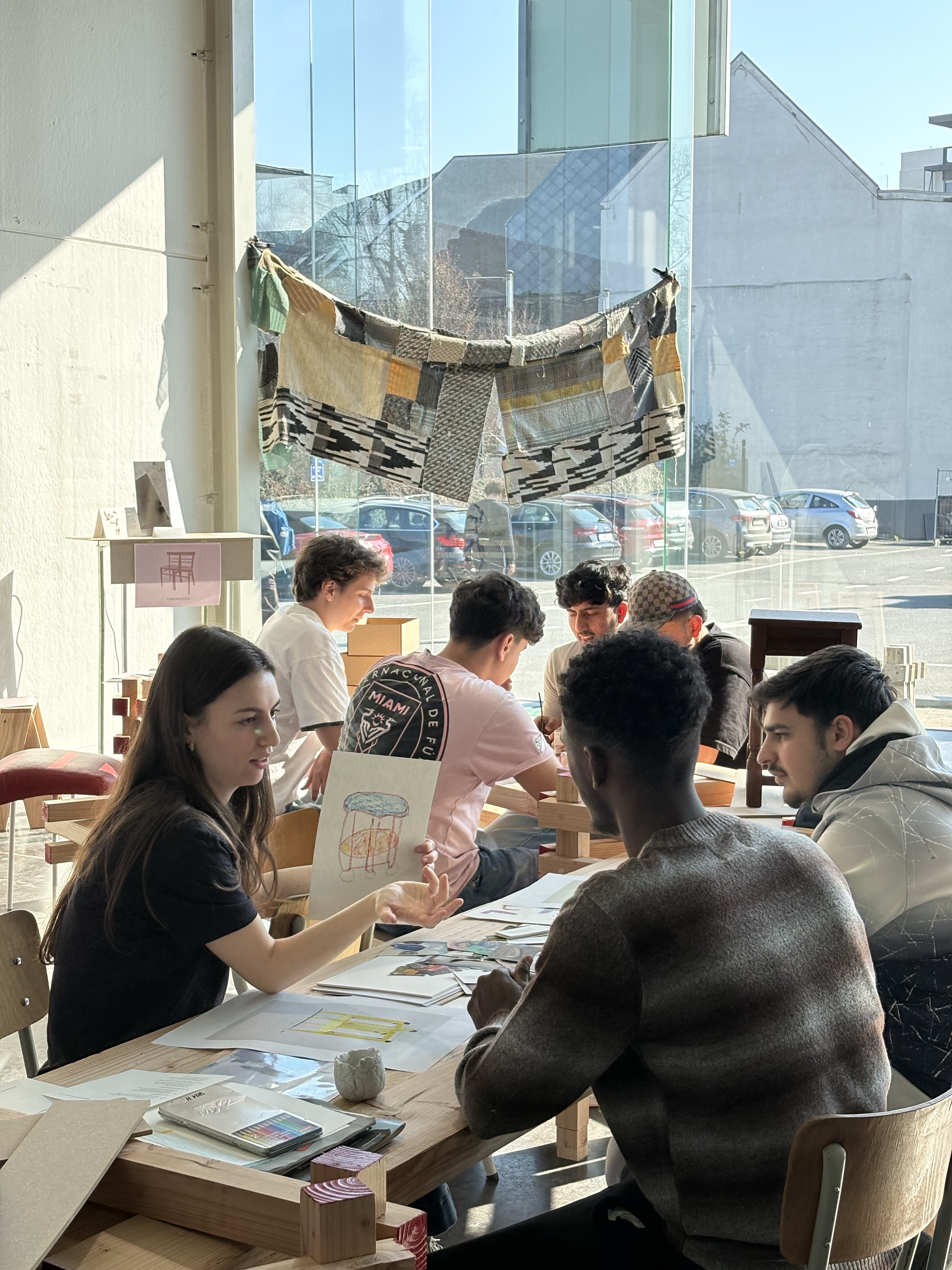
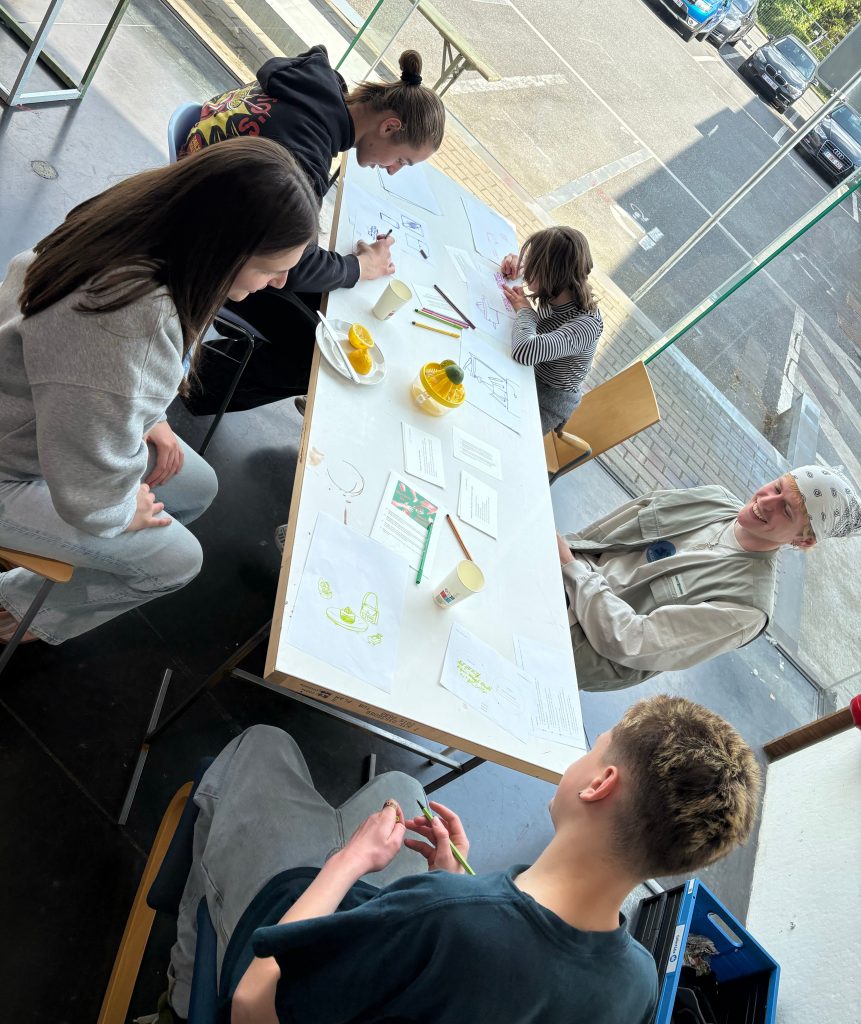
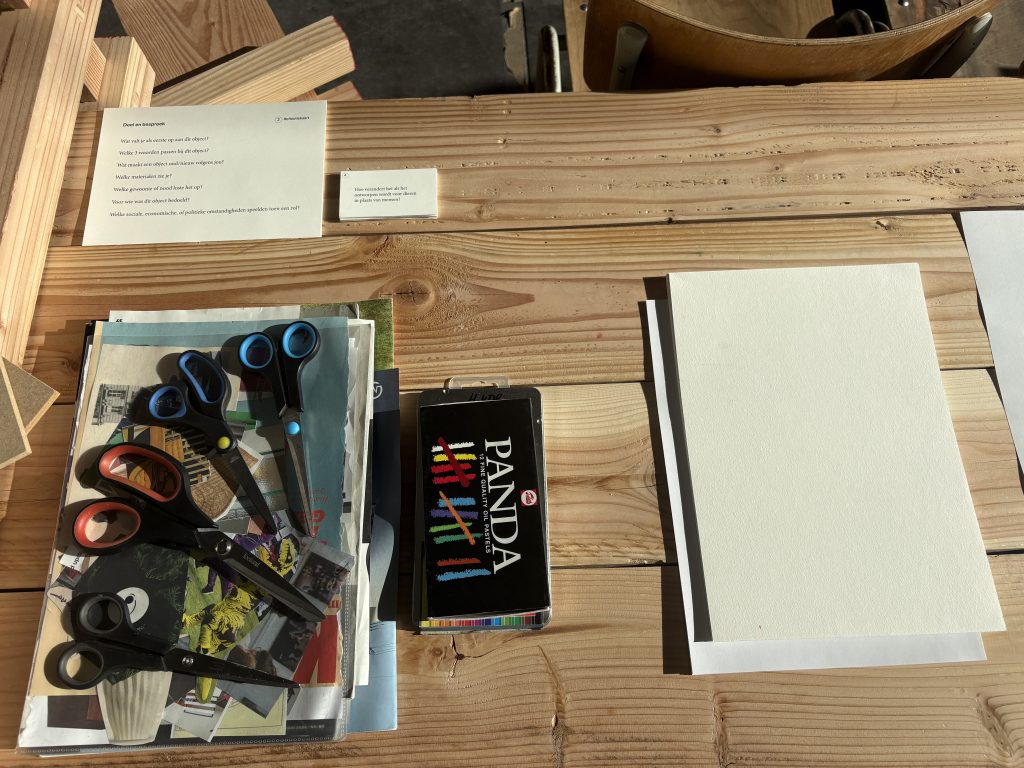
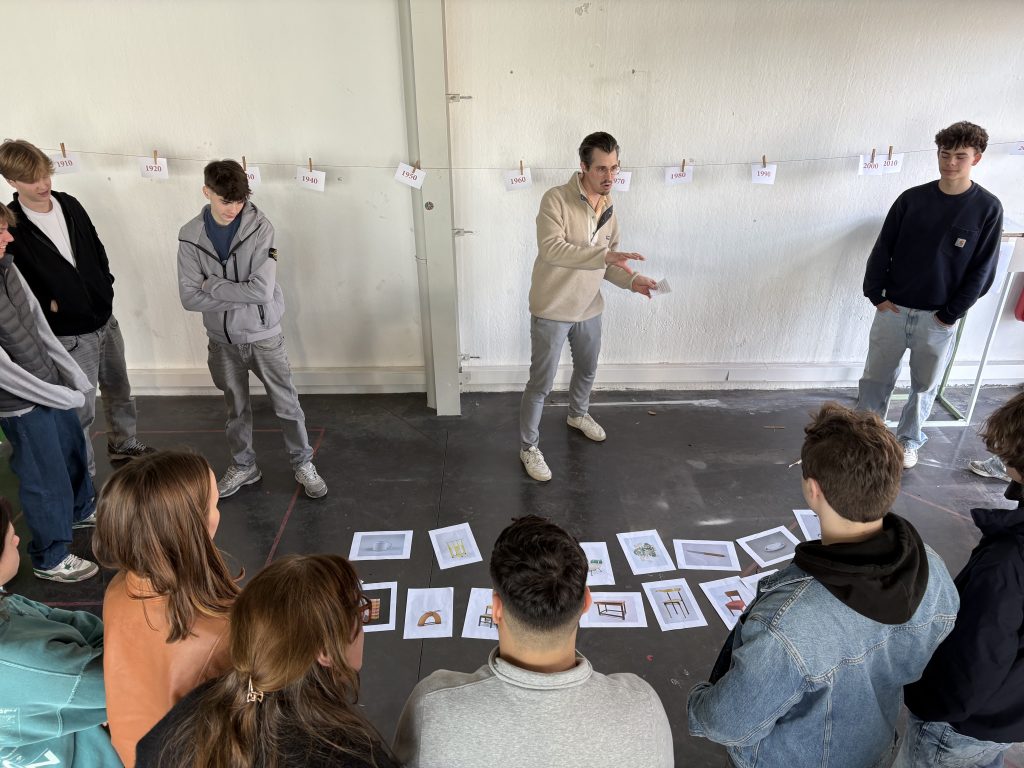
Service activities: Students design educational tools, workshops and activities linked to the museum’s collections. Focus of these activities is to design for inclusivity.
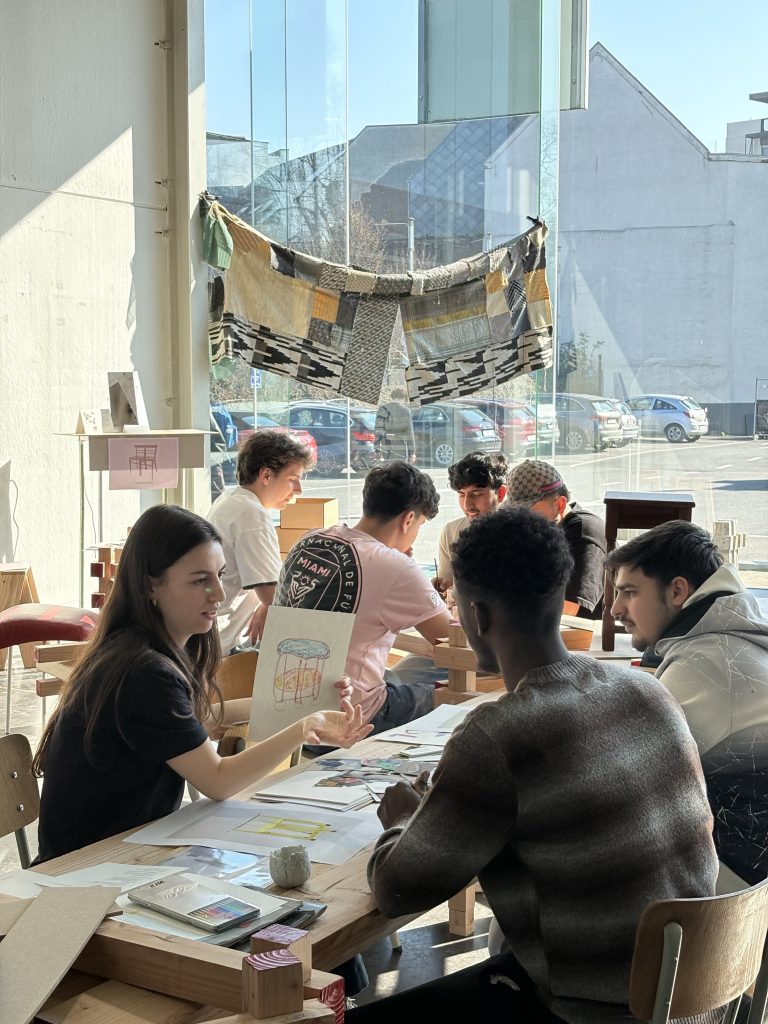
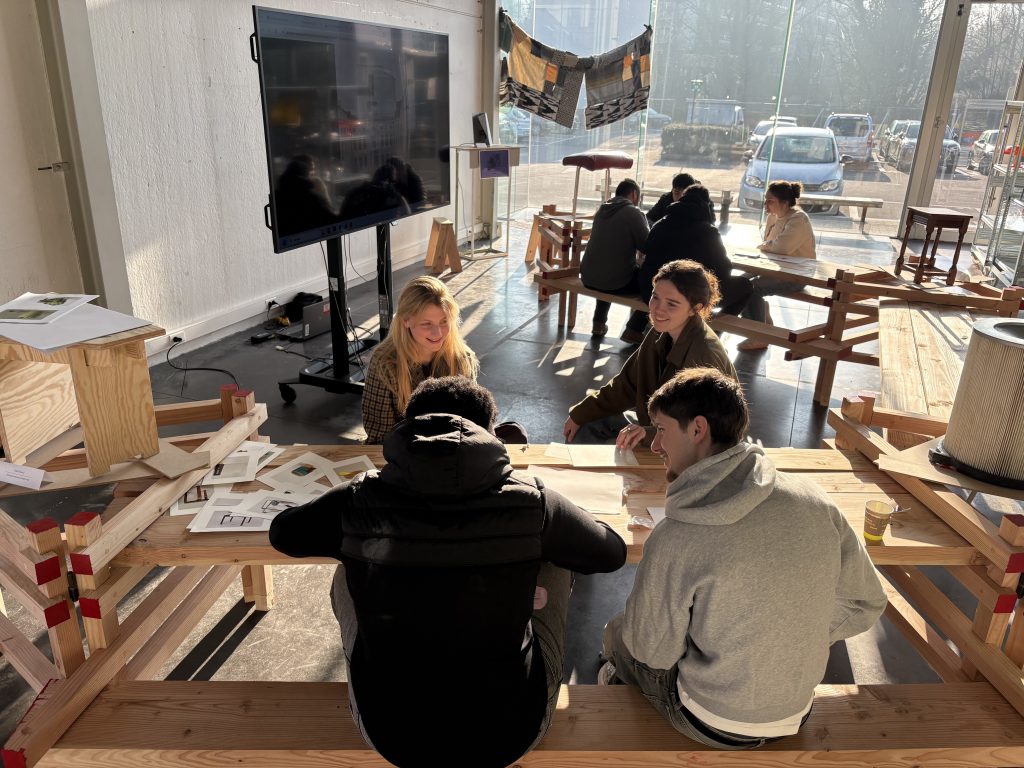
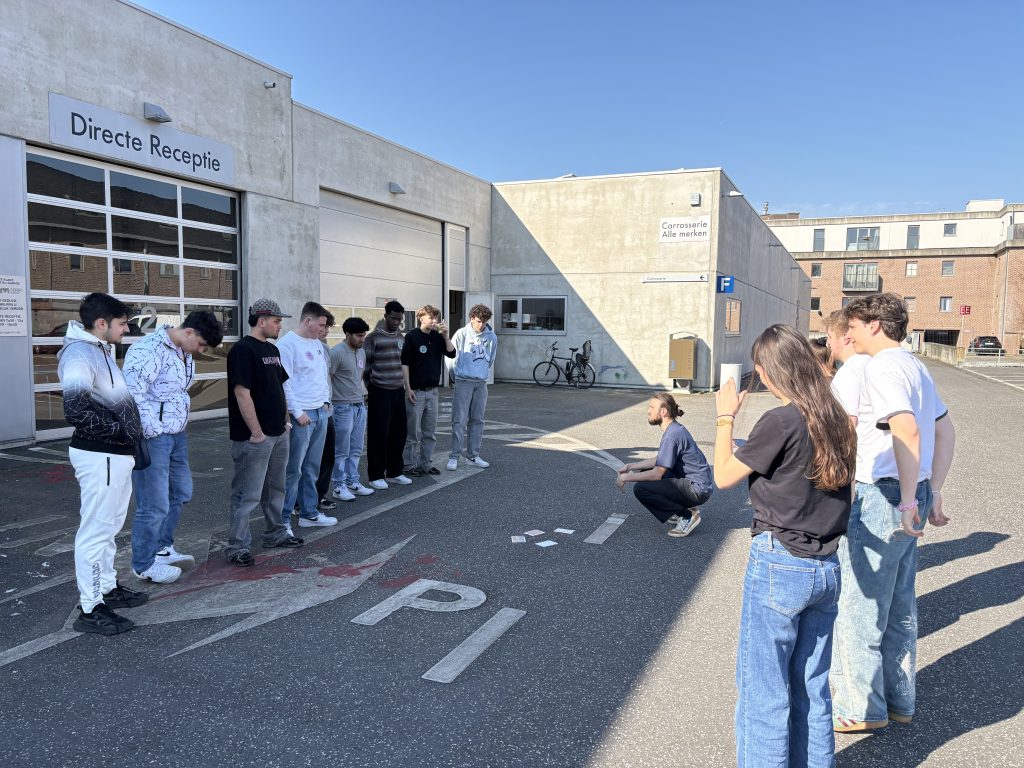
Learning activities: Students engage in a transdisciplinary collaboration with fellow students, the museum staff and youngsters from the participating schools. Students work in design teams to create ideas and prototypes. After test interventions, students iterate and make deliverables.
Active role of the student
Students have a high autonomy in the designing solutions. Students are challenged to organize themselves and need are encouraged to act and react on the developments in the process.
Reflection
Reflection takes place during and after the service activity. Reflection focusses on the learning process with testing and iteration, rather than the produced product. Students also reflect about their own positionality and they think about how design processes can contribute to social change.
Reflection methods:
- Individual reflection paper
- Group reflection during feedback sessions
Assessment
Assessment methods:
- Individual reflection paper
- Design product
- Continuous evaluation (with feedback given by the community partner)
Both teacher and community partner are involved in the assessment.
Competences for democratic culture
Competences for democratic culture
Values
- Valuing cultural diversity
- Valuing democracy, justice, equality and the rule of law
Attitudes
- Civic-mindedness
- Openness to cultural otherness and to other beliefs, world views and practices
- Responsibility
- Self-efficacy
Skills
- Analytical and critical thinking skills
- Autonomous learning skills
- Co-operation skills
- Flexibility and adaptability
- Linguistic, plurilingual and communication skills
- Listening and observing skills
Knowledge and critical understanding
- Knowledge and critical understanding of the world
How are competences for democratic culture developed?
Being engaged in a process of participatory design of educational materials and reflections, the project aims to offers student- teachers the opportunity to position themselves in relation to an academic, professional, personal and societal profile. The project provides a context to experience and research how transdisciplinary learning environments and real-life design-based learning in teacher education could operate as democratic playgrounds.
From a designerly point of view, we tend to see learning by design and designerly ways of knowing as a meaningful approach to create a learning experience for youngsters to actively think, experiment, make, discuss and reflect together. The aim of the project is to change a current situation in the benefit of the young citizens. This raises questions about ethics, context, inclusivity, … Students are challenged to organize themselves and are encouraged to act and react on the developments in the process together with the youngsters involved.
The activities and tools developed by the students also directly contribute to democratic competence development of youngsters, as they are active contributors in the design process. Youngsters who participated in the developed design interventions are enabled to activate personal insights and engage with creative thinking skills through design or objects of design. Through object-learning in a museal context, they connect with culture, heritage, civil stakeholders and democratic structures.
Experiences that came out of the course demonstrate how design can be a bridge between different actors who can reinforce discussions on youth, identity, citizenship and inclusion and by which actors can transform. This is to challenge them to make adaptations in convictions, values an norms on behave of professional, personal and institutional identity.
Outcomes & impact
Learning outcomes for students
- Students understand design as a social and democratic process
- Students select and apply learning methodologies and models, depending on the objectives, adapted to the creator(s) or the audience of participants;
- Students stimulate constructive dialogue between actors (disciplines, raw materials, tools, makers, available space and time) in the making and design process;
- Students develop a transdisciplinary theory of making by reflecting on active participation in design and/or making processes
- Students learn about collective ownership, moving beyond individual contributions
Community impact
- The project promotes participation of young visitors in cultural spaces, that way these space outplay their democratic role as bridgebuilders.
- Concrete educational tools, activities and workshops result directly from the work of the students, supporting the work of the museum and transferable skills and attitudes to use for other audiences and contexts.
- The activities and tools developed by the students directly contribute to democratic competence development of youngsters, as they are active contributors in the design process. Youngsters who participated in the developed design interventions are enabled to activate personal insights and engage with creative thinking skills through design or objects of design. Through object-learning in a museal context, they connect with culture, heritage, civil stakeholders and democratic structures.
- The activities also impact the teachers of the schools involved, as they become engaged in the reflective process and they get acquainted with alternative pedagogical methods.
Challenges & conditions for success
Challenges
- Transdisciplinary collaboration is often difficult due to different schedules among students. Some students find it difficult to balance between chaos (sometimes fuzzy moments) and control.
- Open-ended design leads to uncertainty, which often creates discomfort for both students and the teacher (difficult to balance between guidance & autonomy)
- Integration of research into design is sometimes limited and a could be a point of attention when it comes to facilitating design interventions with users (as co-creators).
Conditions for success
- Flexible educational design (and consistent communication facilities to make that work)
- Teachers with the ability to guide open process and to manage complexity
- Visual communication in order to create a shared language between main actors in the development of process.